
Start With the Recipient and the Occasion
Before comparing formats, think about who the item is for and how it will be used. Sleepwear and loungewear suit someone who wants themed comfort at home, while figures tend to appeal to collectors or fans who enjoy displaying characters. Consider the recipient's usual preferences: do they wear pyjamas often, or would a figure sit untouched on a shelf? Think about the occasion too, such as a birthday, a seasonal gift, or a casual surprise. If the item is intended for a child, involve a parent or guardian in the decision and check the product listing for the size range and any suitability information. For adult recipients, ask whether they prefer practical items or decorative ones. Matching the format to real habits reduces the chance of a gift that looks exciting but never gets used.
Plan Where and How the Item Will Be Displayed
Display planning matters as much as the initial appeal. Figures usually need a stable surface, some clear space, and protection from knocks, so consider whether the recipient has a shelf, desk, or cabinet where a collectible can sit safely. Think about lighting and whether small parts could be a concern in a busy household. Sleepwear and loungewear instead live in a wardrobe or drawer, so storage space and laundry routines are the practical questions. If the item is a gift, imagine how the recipient will store it before deciding. For figures, ask whether the packaging should be kept, since that affects storage needs. For wearable items, think about whether the design suits everyday use or only occasional wear. A little forethought about placement and storage helps avoid formats that are awkward to keep.
Check the Listed Information Carefully
Product listings carry the details that matter most, so read them closely rather than relying on the name alone. For clothing formats, check the listed size range, the stated age or fit guidance, and any care information provided. For figures, look at the listed scale, articulation notes, and any features described in the listing. Confirm what is included in the pack or box, since multipacks and single items differ. Where an item is described as official or licensed, verify that wording in the listing rather than assuming it. If the listing is unclear about sizing, contents, or suitability, treat that as a reason to pause and ask the shop. Details such as materials, dimensions, and care instructions should come from the listing, not from guesswork based on the product name.
Compare Formats on Practical Grounds
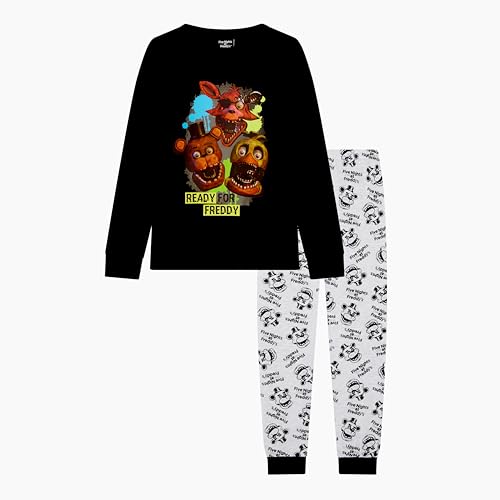
Comparing formats is easier when the criteria are practical rather than emotional. Wearable formats offer repeat use and are simple to fold and store, but they depend on correct sizing and personal taste in fit. Figures are more about collecting and display, and they raise questions about shelf space, handling, and whether the recipient prefers to keep items boxed. A onesie or loungewear piece may suit a fan who enjoys themed comfort, while a pyjama set might fit someone who prefers separates. Think about how often each format would be used and whether the recipient already owns something similar. Consider gift practicality: a figure is easy to wrap and hand over, while clothing may require a size conversation. Weigh these trade-offs against the recipient's habits, not just the theme.
Organise the Collection and Avoid Duplicates
If the recipient already collects themed merchandise, organisation becomes part of the decision. A simple inventory of what they own, kept as a list or photo, helps avoid buying a duplicate format or a near-identical item. Group items by type, such as wearable pieces versus display pieces, and note where each is stored. For figures, decide whether to display them together by theme or spread them across rooms, and keep any packaging organised if it is being retained. For clothing, sort by size and season so gifts are easy to find and use. Before buying, check the listing for exact details and compare against that inventory. A little organisation makes future purchases easier and helps ensure a new item adds something useful rather than repeating what is already there.